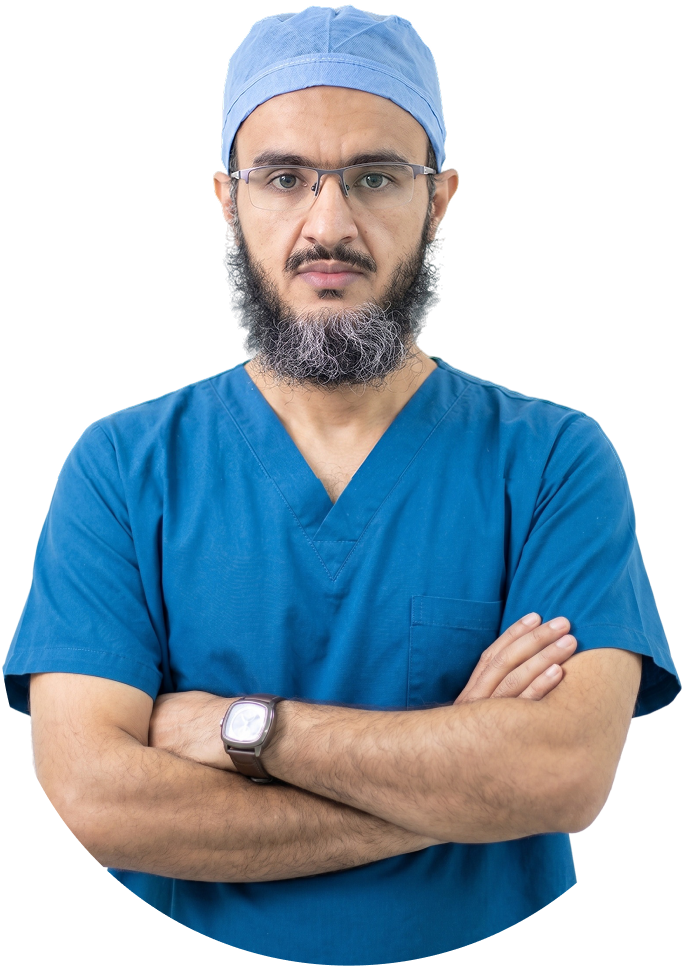
Dr. Saeed Alsareli MD,SBGS,FACS
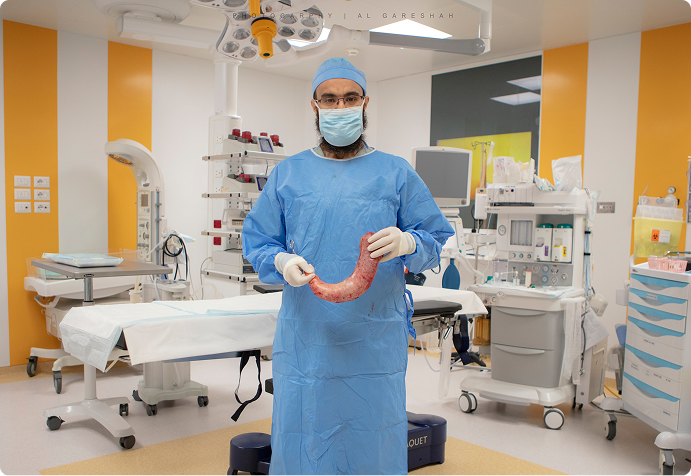
A specialized medical platform led by Professor Dr. Saeed bin Ali Al-Surai’i, an academic and consultant in bariatric, general, and advanced laparoscopic surgery. The platform brings together his surgical expertise and educational content in one place, giving you access to trusted medical information, a clear treatment plan, and dedicated care from your very first consultation.
About the Doctor
Academic expertise combined with an advanced approach to patient care.
Surgical Services
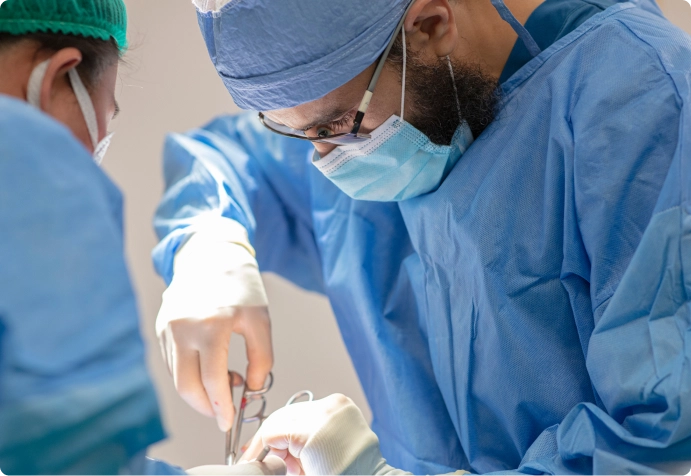
Expert care using advanced laparoscopic techniques and modern surgical approaches.
Patient Stories & Experiences
Inspiring treatment journeys and real results that build confidence.
Medical Blog
Trusted medical insights, explained in a simple and easy-to-understand way.
Health Tools
Smart solutions to help you better understand your health and make informed decisions.
Get in Touch
Start your treatment journey with a specialized team dedicated to your care and attentive to every detail.
About Professor Dr. Saeed bin Ali Al-Surai’i
A consultant specializing in bariatric surgery, general surgery, and advanced laparoscopic procedures. The website provides comprehensive information on weight-loss surgery, general surgical care, and minimally invasive procedures, along with educational articles and practical guidance to help patients make informed decisions about their treatment.
- Founder and First Chair of the Department of Surgery at the College of Medicine and University Hospital, with a pivotal role in establishing and advancing academic surgical training programs.
- Globally Recognized Expertise — Holds a Diploma in Advanced Laparoscopic Surgery from the University of Strasbourg in France, along with two fellowships in General Surgery and an American fellowship in medical education.
- Recognized by Leading Surgical Organizations — Fellow of the American College of Surgeons (FACS) and a member of the International Federation for the Surgery of Obesity and Metabolic Disorders (IFSO).
- A Trusted Name in the Region — Member of the Saudi Society of General Surgery and the Saudi Society for Obesity Medicine and Surgery.
Specialized Academic & Surgical Expertise
Thousands of Procedures Using Advanced Laparoscopic Techniques
International Fellowships & Memberships Recognized by leading international surgical organizations.


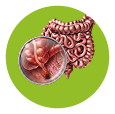
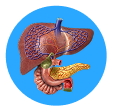
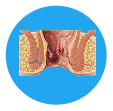
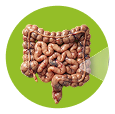
services
Specialized Medical Services
We provide a comprehensive range of surgical and advanced minimally invasive procedures, combining extensive expertise with the latest medical techniques to deliver precise, personalized care and optimal outcomes.
Your Journey to Better Health Starts with One Step
We’ll be by your side throughout every stage of your treatment journey — from your first consultation to a full and successful recovery.

Consultation
Diagnosis
Procedure
Follow-Up
Milestones of Excellence & Achievement
Key milestones throughout a distinguished academic and professional career, including participation in leading medical conferences and recognitions that reflect a commitment to excellence and leadership in the medical field.
Everything You Need to Know Before Your Visit
Clear answers to the most frequently asked questions about bariatric surgery, general surgery, and advanced minimally invasive procedures.
Is Sleeve Gastrectomy Suitable for Everyone?
No. Suitability depends on your body mass index (BMI), overall health, and any underlying medical conditions. Your doctor will assess your condition and recommend the most appropriate option—whether sleeve gastrectomy, gastric bypass, or another suitable treatment.
What’s the Difference Between Sleeve Gastrectomy and Gastric Bypass?
Sleeve gastrectomy reduces the size of the stomach, while gastric bypass alters the digestive pathway and reduces nutrient absorption. Gastric bypass may be particularly beneficial for patients with severe obesity or certain obesity-related conditions, such as type 2 diabetes. The appropriate procedure is determined based on a comprehensive assessment of your individual condition.
When Is Gallbladder Removal Necessary?
Gallbladder removal may be recommended when you experience recurrent biliary colic or when gallstones cause pain, inflammation, or other complications. Laparoscopic cholecystectomy is a safe and minimally invasive procedure that typically allows for a faster recovery, with little to no impact on your normal daily life afterward.
Can a Hernia Be Treated Without Surgery?
A hernia does not heal on its own, and leaving it untreated may lead to complications. Laparoscopic hernia repair is a minimally invasive approach that typically involves smaller incisions, less postoperative pain, and a faster return to normal activities.
Is Laparoscopic Appendectomy Better Than Traditional Open Surgery?
In many cases, yes. Laparoscopic appendectomy involves smaller incisions, less postoperative pain, and a shorter recovery period, while providing excellent clinical outcomes, particularly in cases of acute appendicitis.
When Does Gastroesophageal Reflux Disease Require Surgical Intervention?
Surgical intervention may be considered when medications and lifestyle modifications fail to control symptoms, or when symptoms persist or lead to complications. Your doctor will assess your condition and determine whether an advanced endoscopic procedure or surgical treatment is the most appropriate option.
Is Treatment for Hemorrhoids and Anal Fissures Painful or Does It Require a Long Recovery Period?
Modern treatment techniques have made the management of hemorrhoids and anal fissures less painful, with faster recovery and a quicker return to normal activities. Early diagnosis can help prevent complications and often allows for simpler, more effective treatment.
Can a Pilonidal Sinus Recur After Treatment?
With the appropriate surgical technique and proper postoperative wound care, the risk of recurrence can be significantly reduced. Your doctor will determine the most suitable treatment approach for your condition to minimize the likelihood of recurrence.
Can Colorectal Tumors Be Removed Using Laparoscopic Surgery?
Yes. In many cases, colorectal tumors can be surgically removed using advanced laparoscopic techniques, allowing for greater precision and a less invasive approach, which may support a faster recovery. The appropriate treatment is determined after a thorough diagnosis and comprehensive evaluation.
Need a Consultation?
Book Your Consultation Today